The .38 Special Case: A Cartridge’s Long Lesson in Brass Inspection
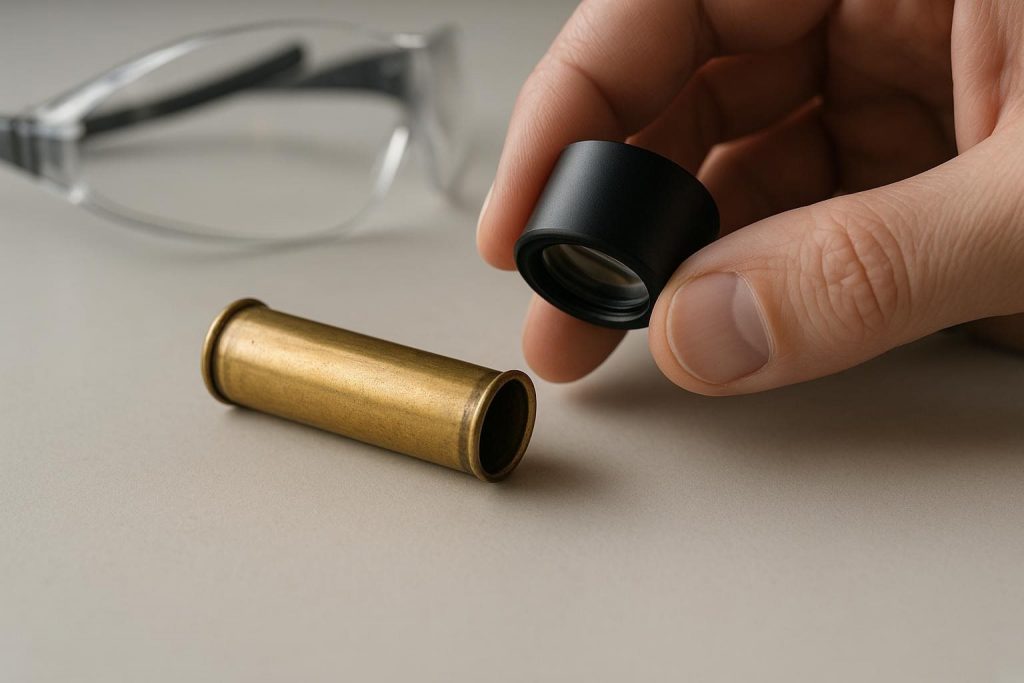
Understanding the Care of.38 Special Cartridge Cases
The.38 Special cartridge case holds a lot of information for anyone who works with firearms those who handload ammunition or inspect brass. The look of a cartridge case-whether it is dark and dull or shiny and bright-can be misleading. Color alone does not tell you if a case is safe to use. Instead a close inspection of details is necessary to judge its condition and whether it can be reused.
Origins and Evolution of the.38 Special
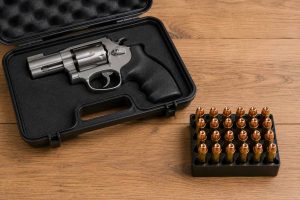
The.38 Special was first created by Smith & Wesson in the late 1800s. It was made to improve on the.38 Long Colt cartridge, which had a poor reputation especially in military use. This older round didn't perform under pressure so there was a need for a better option that still used the trusted.38 caliber design. The new version had a case and more space for powder but kept the rimmed shape so it would work in revolvers. This change helped make the cartridge more reliable for use.
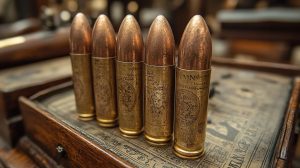
The rim of the.38 Special case plays a role. It helps the extractor pull the case out of the cylinder when the gun is fired. Because of this feature it's easy to pick out a.38 casing from a mix of other revolver brass. One thing to watch closely is the head of the case. Signs of wear here-like scratches or peening-can show how stress the case has taken during firing. These marks also give clues about how the gun performed and how well it was maintained.
The Effects of Firing on Brass
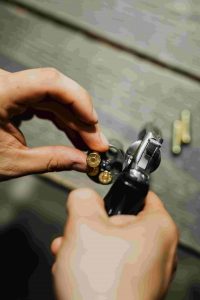
When a cartridge fires the case changes shape. It expands against the chamber walls. Then contracts as it is pushed out. How much it changes depends on the gun, the ammo and how clean the chamber's. After firing it's critical to check the case for problems such as a split mouth cracks around the body or heavy rust. Any of these issues could mean the case is unsafe to reload.
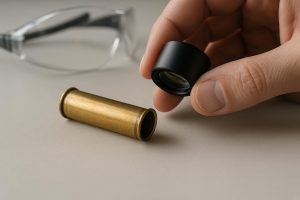
The mouth of the case needs attention. It is thin. Undergoes repeated stress every time the case is resized and loaded with a bullet. This makes it prone to fractures. These cracks are often hard to see without lighting and magnification. A small line near the mouth might seem harmless. It could grow and cause a catastrophic failure during the next firing.
Observing and Interpreting Marks
Good brass inspection starts with observation. Ends with careful thought. First take note of any marks on the case-cracks, dents or strange color spots. Write down what you see before trying to guess why they are there. This helps keep your judgment clear and prevents assumptions.
Different marks can mean things. For example a shiny spot on the side might just reflect contact with the chamber. It could hint at rough inside surfaces that damage cases over time. A primer that looks flat or crushed might point to a problem with the firing pin than too much pressure. A discolored mouth might come from burning residue or a weak seal, not a major defect.
Even nickel-plated cases require the thorough checks. The coating can flake off. The color may fade, but the brass underneath might still be strong. Avoid using cleaners that remove surface signs of wear. Those marks are often important for deciding if a case is safe.
The Importance of Sorting Brass
Sorting cases correctly is one of the important steps in reloading safely. You should keep types of brass separate. For example don't mix nickel-plated with brass unless you know their conditions are the same. Cases from sources should be kept apart to avoid confusion and risk.
A smart rule is to throw any case that shows signs of damage that could affect its safety. This includes cracks, deep corrosion or severe deformation. One bad case isn't worth the danger it could pose. A solid inspection routine helps catch these issues
Here's a simple checklist to follow:
1. Confirm the type of cartridge and the material of the case.
2. Look carefully at the mouth, body, head, rim and primer pocket.
3. Put aside any cases that have cracks, heavy rust or bent shapes.
4. Keep cases for further checking later.
If you notice the kind of damage happening across many cases save a sample and write down where the ammo came from and what gun was used. That pattern could reveal a mechanical issue instead of random flaws.
The Relevance of the.38 Special Today
with all the advances in firearms and ammunition the.38 Special remains useful. Its design- the rimmed base-makes ejection smooth and dependable. It also has a history that brings variety in wear patterns offering valuable lessons for both collectors and reloaders.
For collectors knowing the story behind each case adds value. Where was it made? When? What gun did it come from? These facts turn a piece of brass into a piece of history. For reloaders treating each case as an object encourages care and vigilance. Looking closely at each one improves safety. Makes the reloading process more precise.
In the end the.38 Special teaches us how vital it is to inspect brass. Its long life and widespread use show how wear and misuse leave traces. By following practices-inspecting, sorting and maintaining-you ensure that your reloads are safe and effective. Always stay up to date with reloading guidelines and seek advice, from experienced sources when needed.